Building date: 1840 - based on workman's letter in possession of owner.
Original use:
Corner structures:
Mortar application and content: Horizontal rounded. Vertical, slight embellishment. Vertical pyramids
Types and uses of stones: Small red water-washed stones came from Lake Ontario.
Types and choice of windows:
Structures with similar masonry details: Arc-3 Stuart
Masons who worked on building:
Unique features: Wood roof shingles.
Map views courtesy Google Maps as viewed from West Ave. West Maple Ave. street level view is blocked by vegetation. Address is Google Earth confirmed; 43°02'24.44"N 77°06'17.26"W. Current owner of record, Cook as of the 2019 Tax Roll.
Town of Arcadia and Wayne County Maps
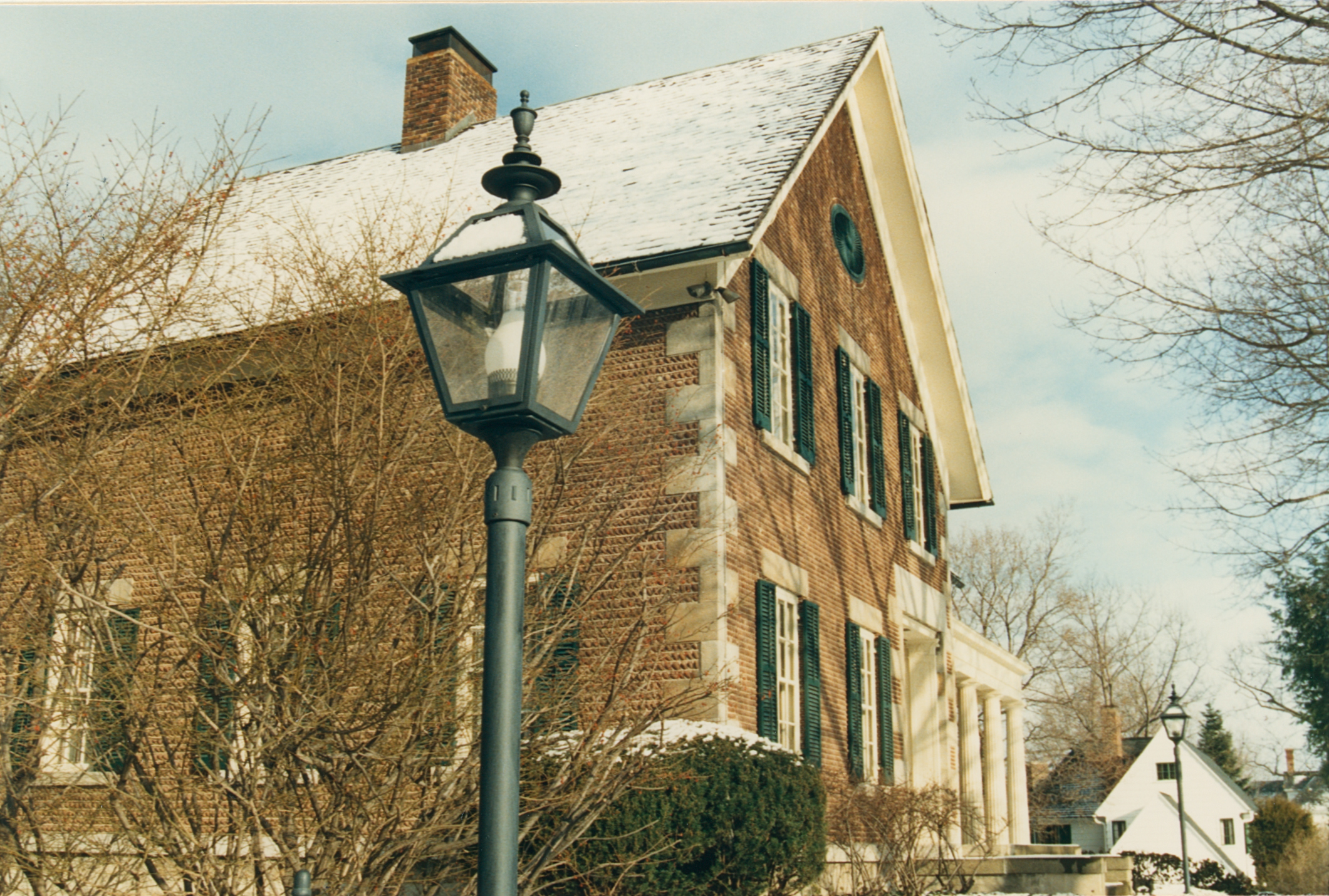
This impressive cobblestone mansion at 513 West Maple Avenue at the corner of West Avenue in Newark was built in 1840, (according to the date stone) by Jacob Keller who came here from Columbia County about 1825. He first lived in a log house nearby. He purchased considerable property here and became a prosperous farmer. The water-washed stones came from Lake Ontario. Other early owners were Frederick Hoeltzel and a man named Burnham. It ultimately became the home of Stuart family who were long involved in the costume jewelry business and later founded Sarah Coventry Inc.
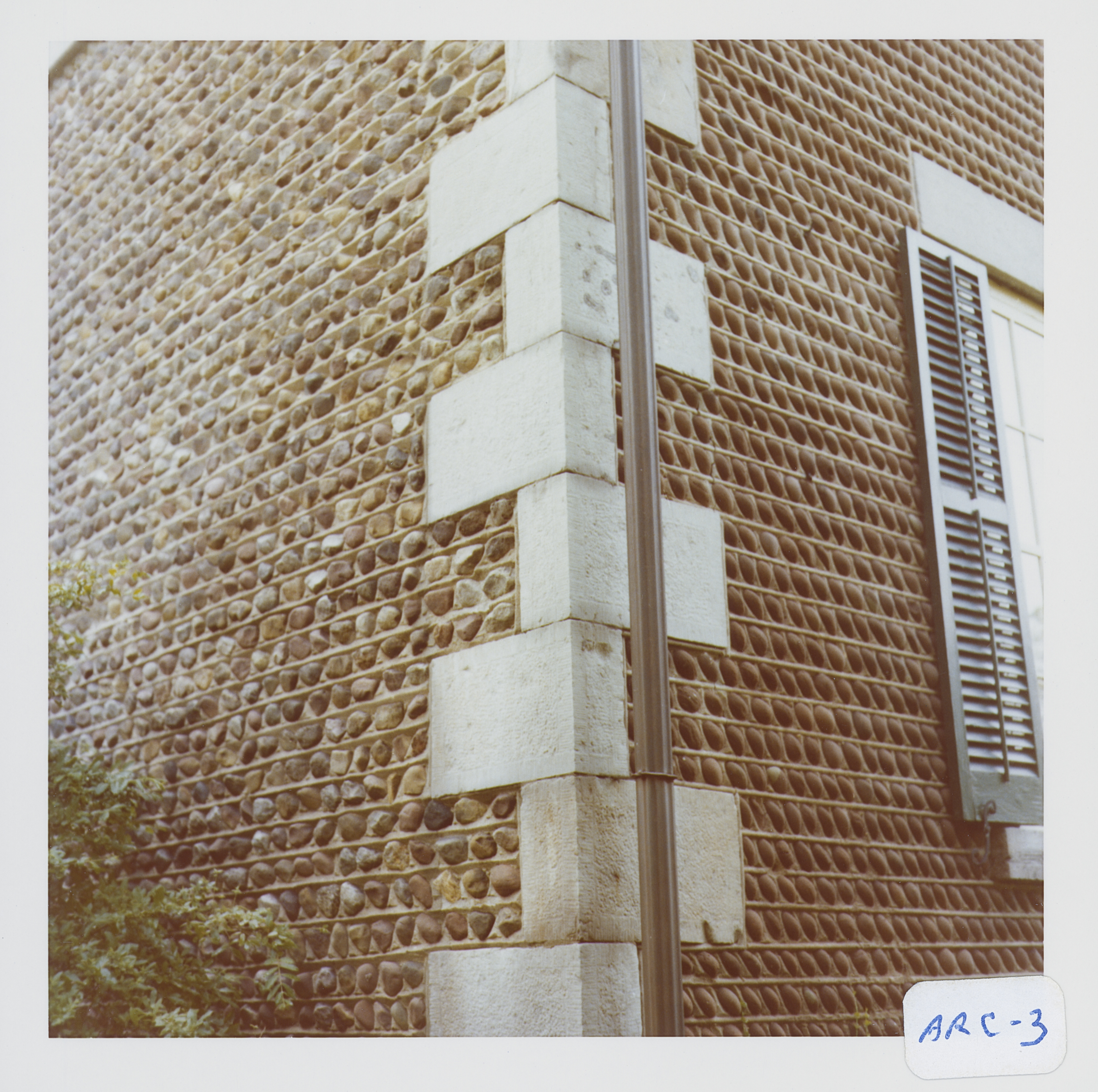
It is erroneously recorded this house was constructed of field stone which is undoubtedly so for the interior. But the facing stone is Lake Ontario water-washed Medina sandstone. It would be interesting to know exactly where along the lake shore such a large quantity of stones all nearly exactly alike in size - like peas in a pod - came from. Of course, since the time the stones where gathered, the area may have long since eroded away.
Examine the detail in the photographs below of the artistic craftsmanship in the use of Lake Ontario-washed Medina sandstone cobblestones. Are all stones exactly alike? It might seem that way but take a closer look at the variances from the cobbles above and below it. Even whole rows tend to have differences with other rows. Some have more rounds and other more disc-ovals. There is much minor variation. Here and there is even an anomaly, such as the last two cobbles in the row just beneath the lintel at the top left corner of the window. It was much patient work. Forms make it much easier and the joint work is at least as much trouble, but it's more routine than what might be supposed. Richard Palmer blog.
"The Cobblestone Houses of Upstate New York", compiled by Dorothy Wells Pease. Research done in collaboration with Hazel B. Jeffery, supplemented with material furnished by Carl F. Schmidt, 1941. Reference the seventh paragraph on page 27.
Letter to Mr Stuart from Franklin J Keller, 5/23/1935, CFS at SUNY Geneseo. Richard Palmer email 12/01/2019.
Letter from Cecilia Jackson, 6/6/1954, page 1, paragraphs 4 and 5, in reply to an inquiry by Gerda Peterich. Cobblestone Museum.
"Cobblestone Structures of Wayne County" Stuart House excerpt, 1955, Verlyn Edward Klahn, pages 16-17, 50-53. Essay submitted for Hoffman Foundation, Wayne County History Scholarship, awarded 1955. Reprint permission granted by Wayne County Historian.
The finest of cobblestones, 6 to quoin, on front. West side stones slant to left and slightly larger, 4 to quoin. East side slightly smaller, 5 to quoin. Gerda Peterich, architectural photographer, 11/31/1971.
"Home Stones Upstate", Edited by Ann Prichard, Upstate New York, supplement to Rochester Democrat and Chronicle 8/5/1979.
Wayne Historians Organization (WHO), Historic Sites Inventory Cobblestone house
The Cobblestone Society & Museum Tours:
Mr.& Mrs. C. W. Stuart House 12th Annual 06/02/1973
- "Cobblestone Masonry", 1966, Carl Schmidt: Name reference, Keller - Stuart House
- Pages 154 - 155, Page 321
- "Cobblestone Landmarks of New York State", 1978, by Olaf William Shelgren, Jr., Cary Lattin, and Robert W. Frasch, Photographs by Gerda Peterich: Name reference, Keller House
- Page 40
- "The Era of Cobblestone Architecture", unpublished manuscript 1972. To access the manuscript content about this structure, see 150, 151. Wayne County, Keller-Stuart House, and 170. Doorway: Keller-Stuart House.
- "The Era of Cobblestone Architecture", unpublished manuscript 1972. To access the manuscript content about this structure, see 150, 151. Wayne County, Keller-Stuart House, and 170. Doorway: Keller-Stuart House.
- Erie Canal Legacy, Architectural Treasures of the Empire State, by Andy Olenick (photography) and Richard O. Reisem (text), page 134: Name reference, Jacob Keller House 1845-47. Published by the Landmark Society of Western New York, 2000. Editor's Note: Date built contradiction, Roudabush 1840, Olenick and Reisem 1845-47.
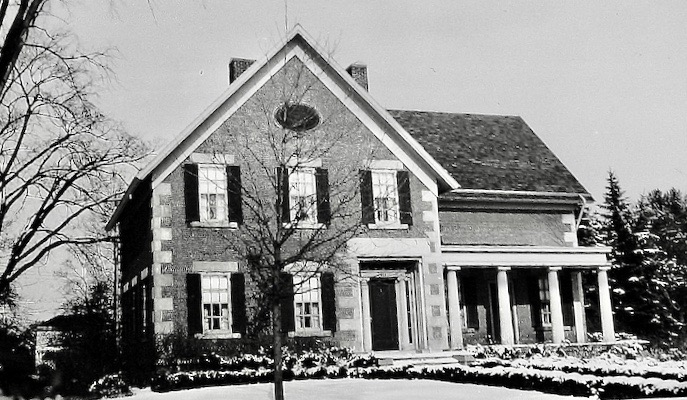 Screen Shot 2019-10-08.jpg 4 Date unknown, thou appears to be early 1900s. Screen Shot, Richard Palmer blog. Attribution not provided. |  Arc-3 Stuart 2.jpg ¹ Pease Collection 1940-41 |  GP Wayne Arcadia Arc-3 1-1 N.jpg ² 10/31/1971 |  GP Wayne Arcadia Arc-3 2-2 N.jpg ² 10/31/1971 |
 GP Wayne Arcadia Arc-3 3-2 N.jpg ² 10/31/1971 | 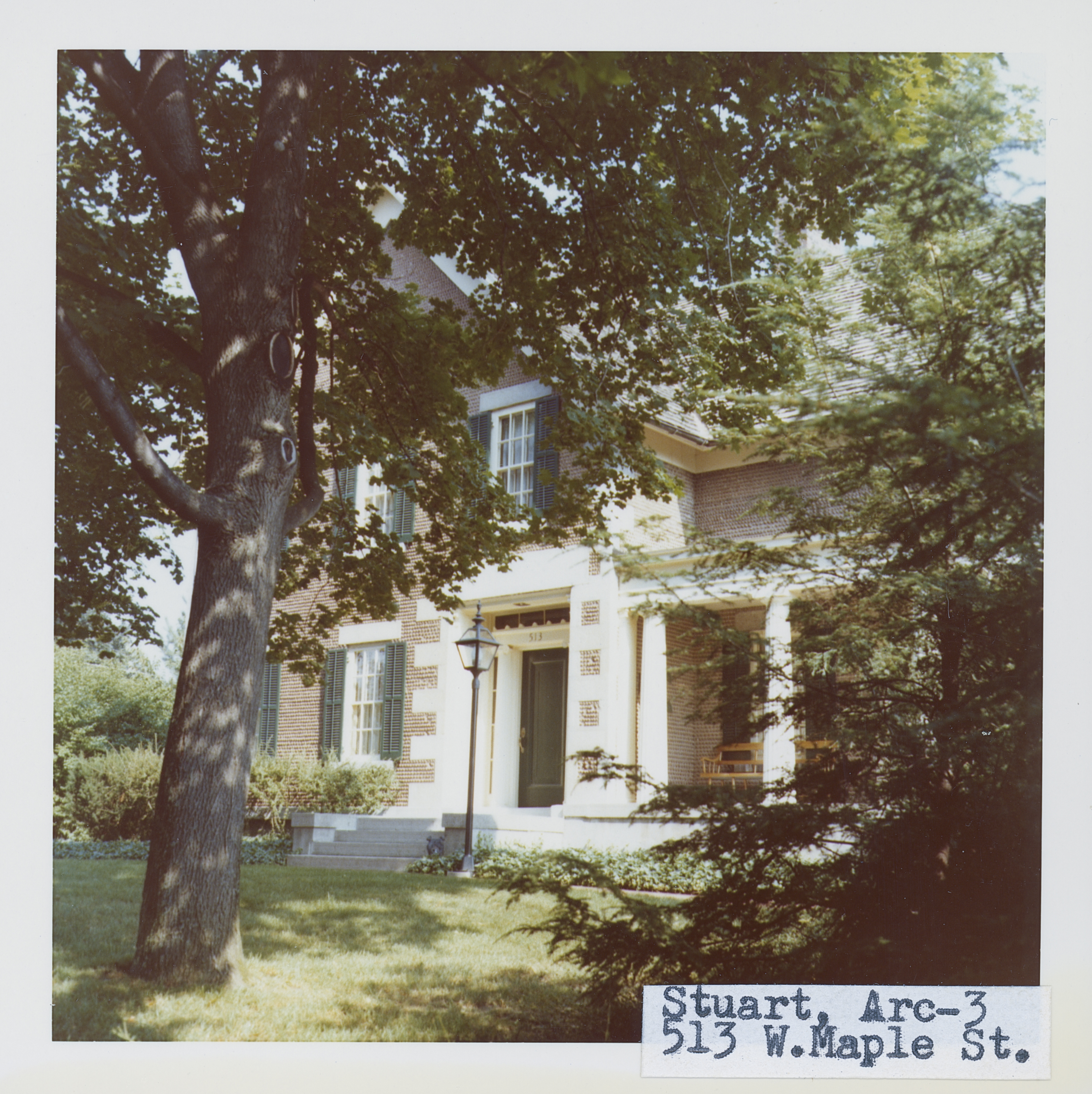 Arc_3_1.jpg | 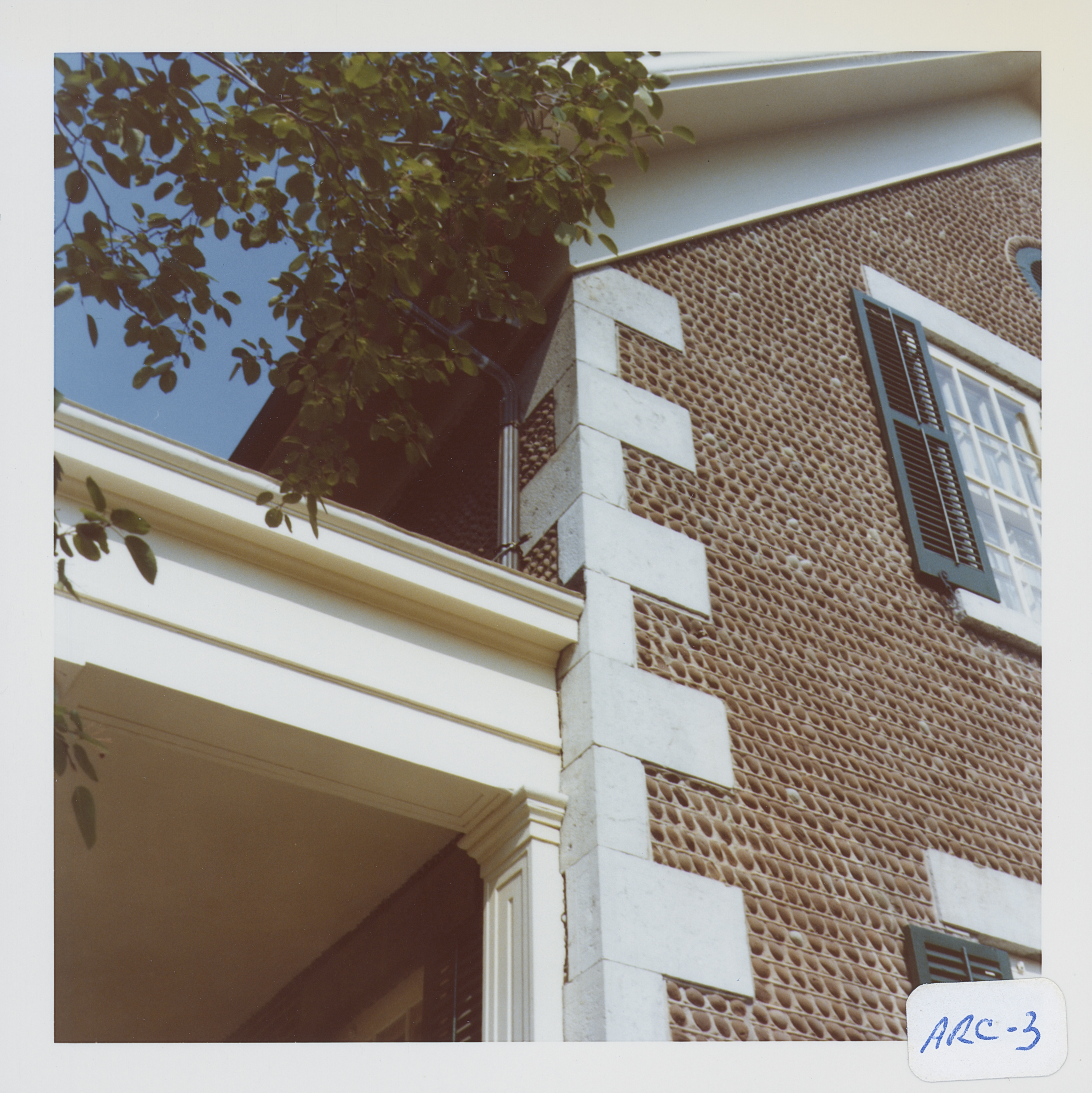 Arc_3_2.jpg |  Arc_3_3.jpg |
 Arc_3_4.jpg |  Arc_3_5.jpg |  Arc_3_6.jpg | 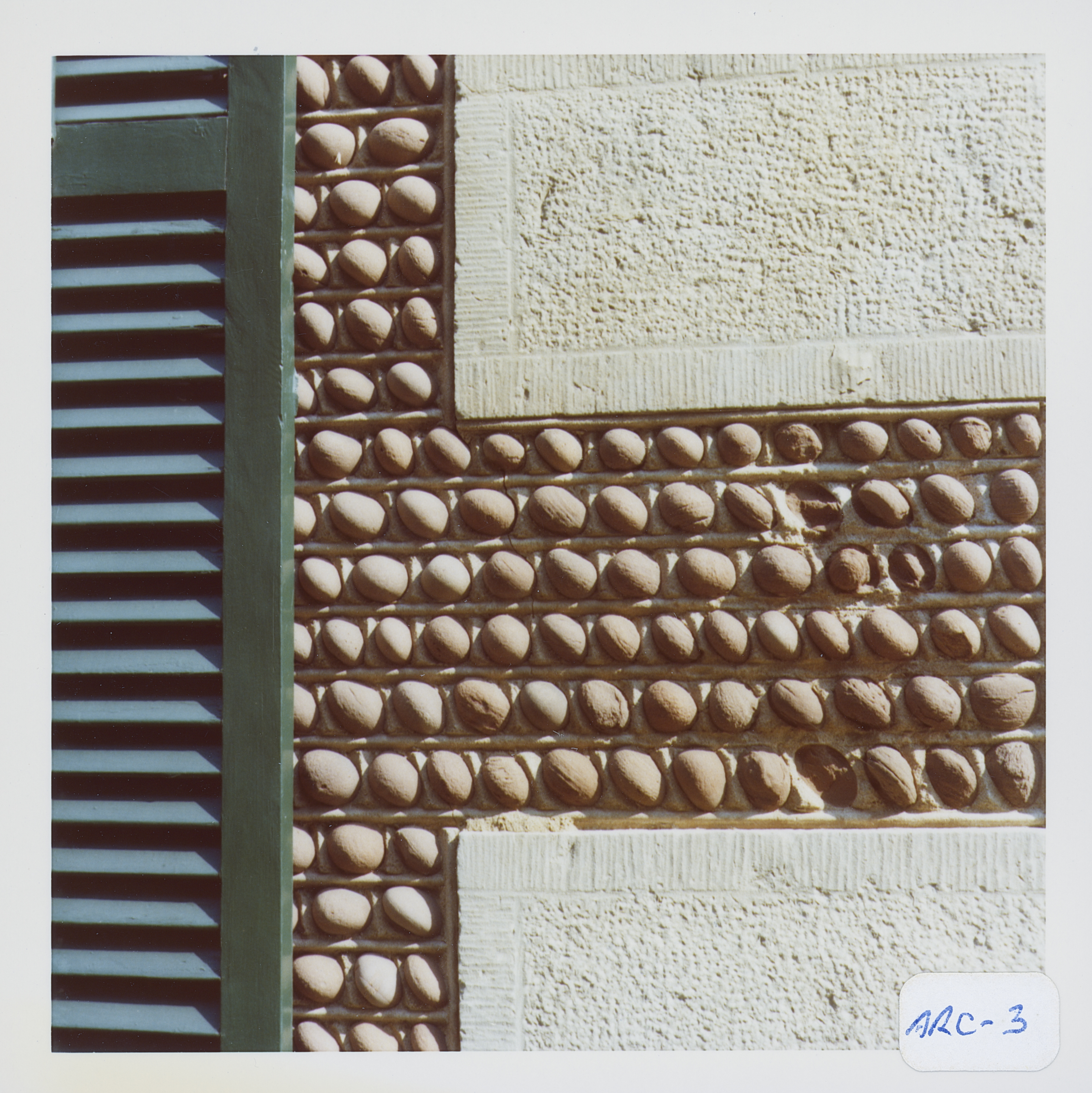 Arc_3_7.jpg |
 Arc-3 Stuart 1.jpg |  Arc-3 513 W Maple Ave 1.jpg ³ | 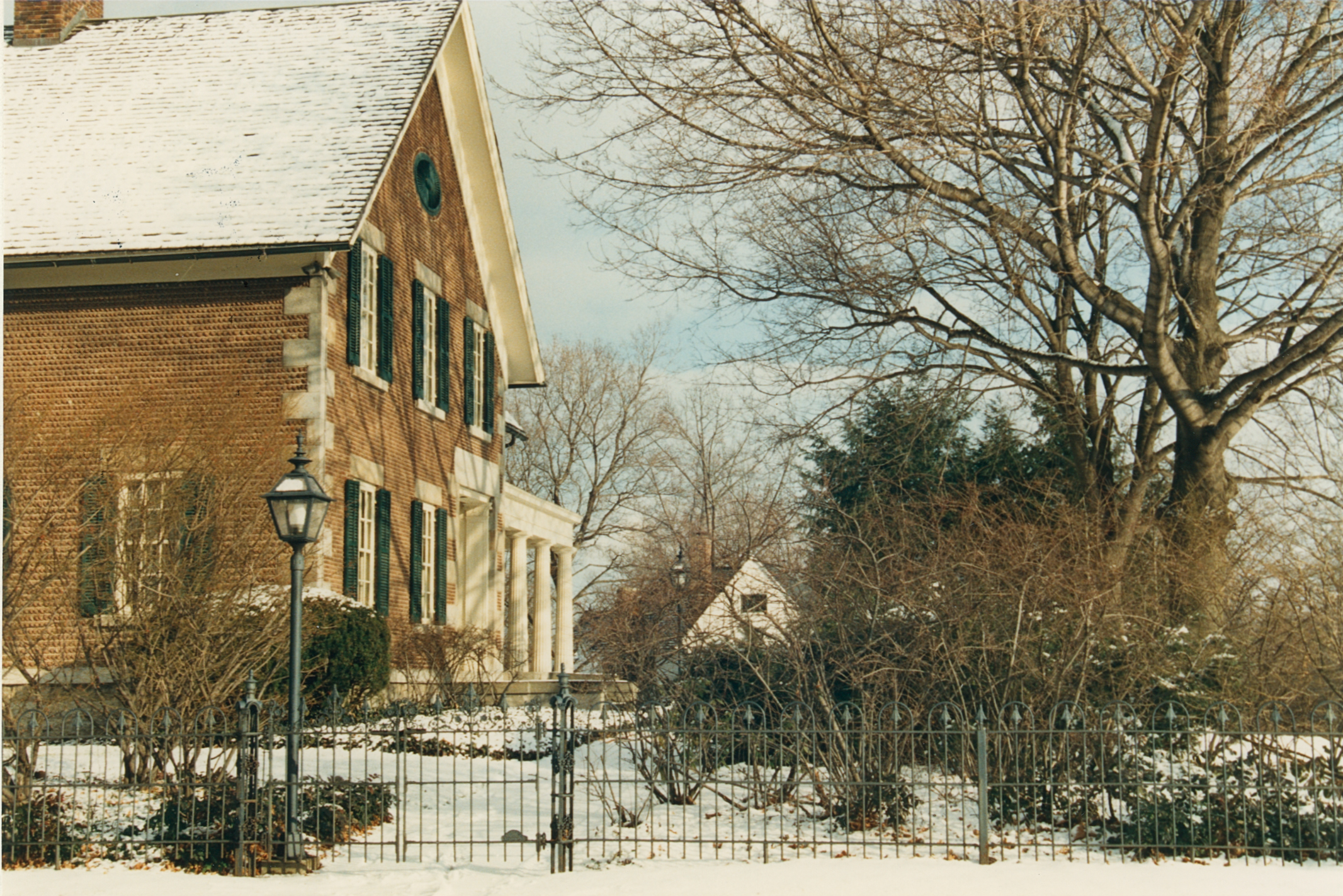 Arc-3 513 W Maple Ave 2.jpg ³ | 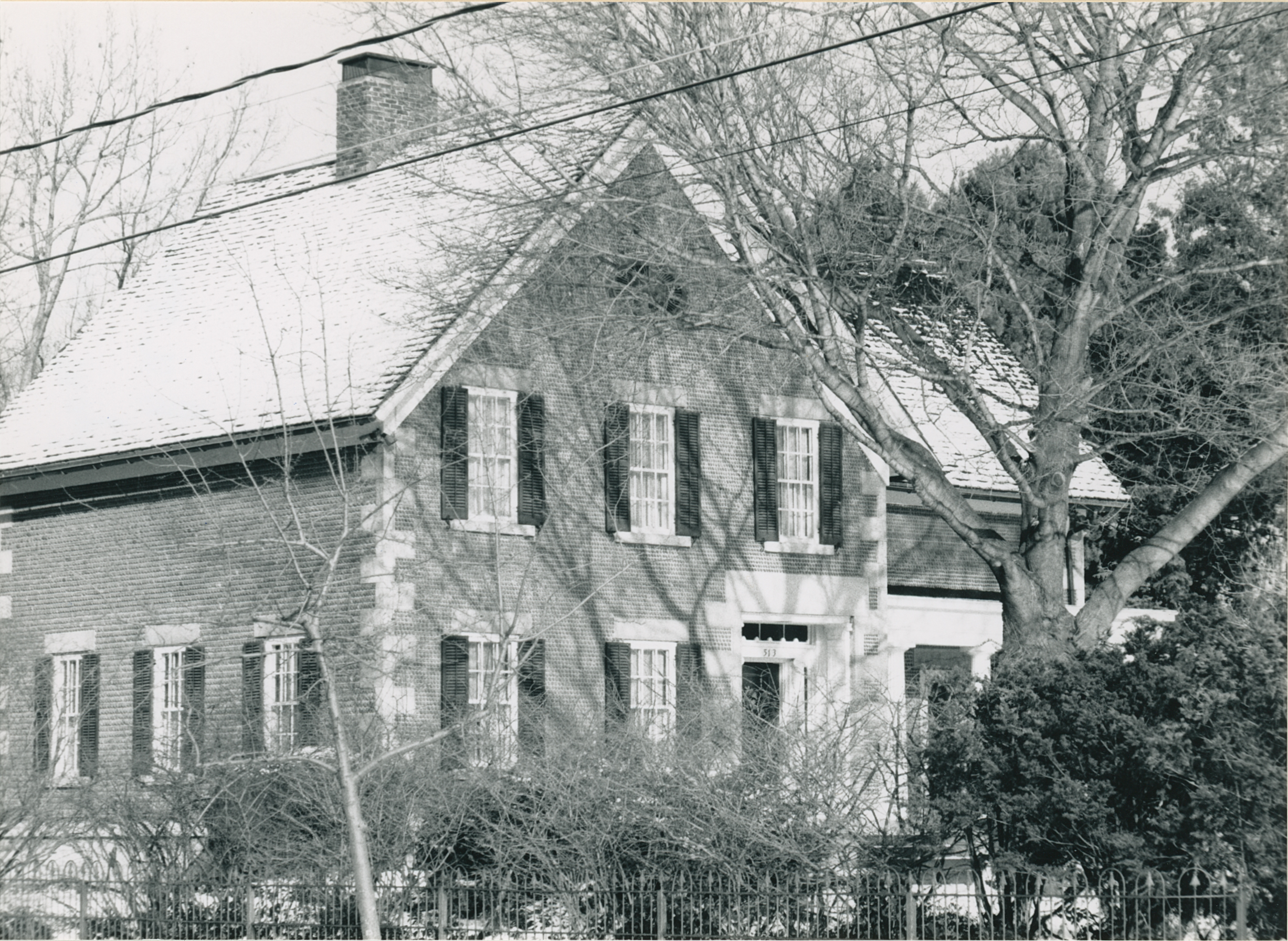 Arc-3 513 W Maple Ave 3.jpg ³ |
 Arc-3 513 W Maple Ave 4.jpg ³ | 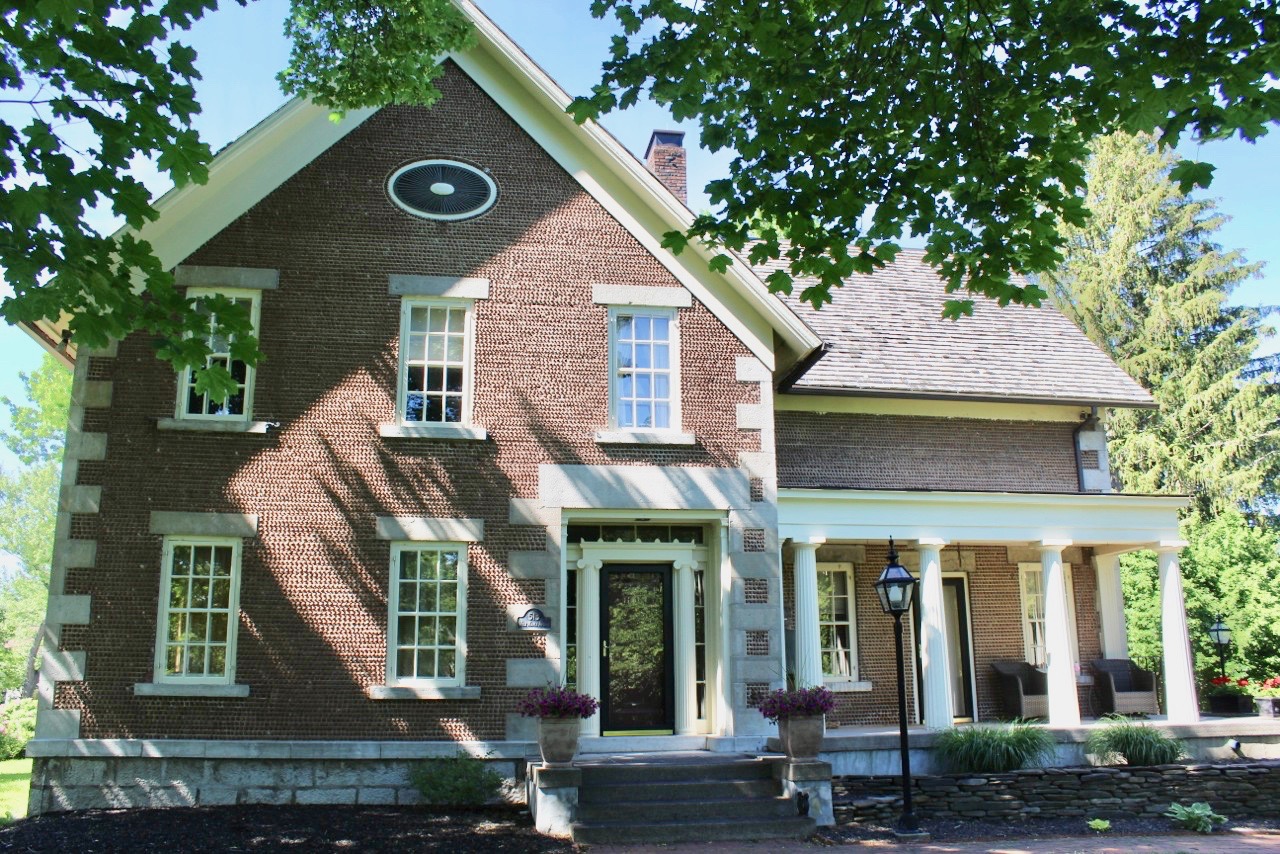 IMG_1009.jpg 4 | 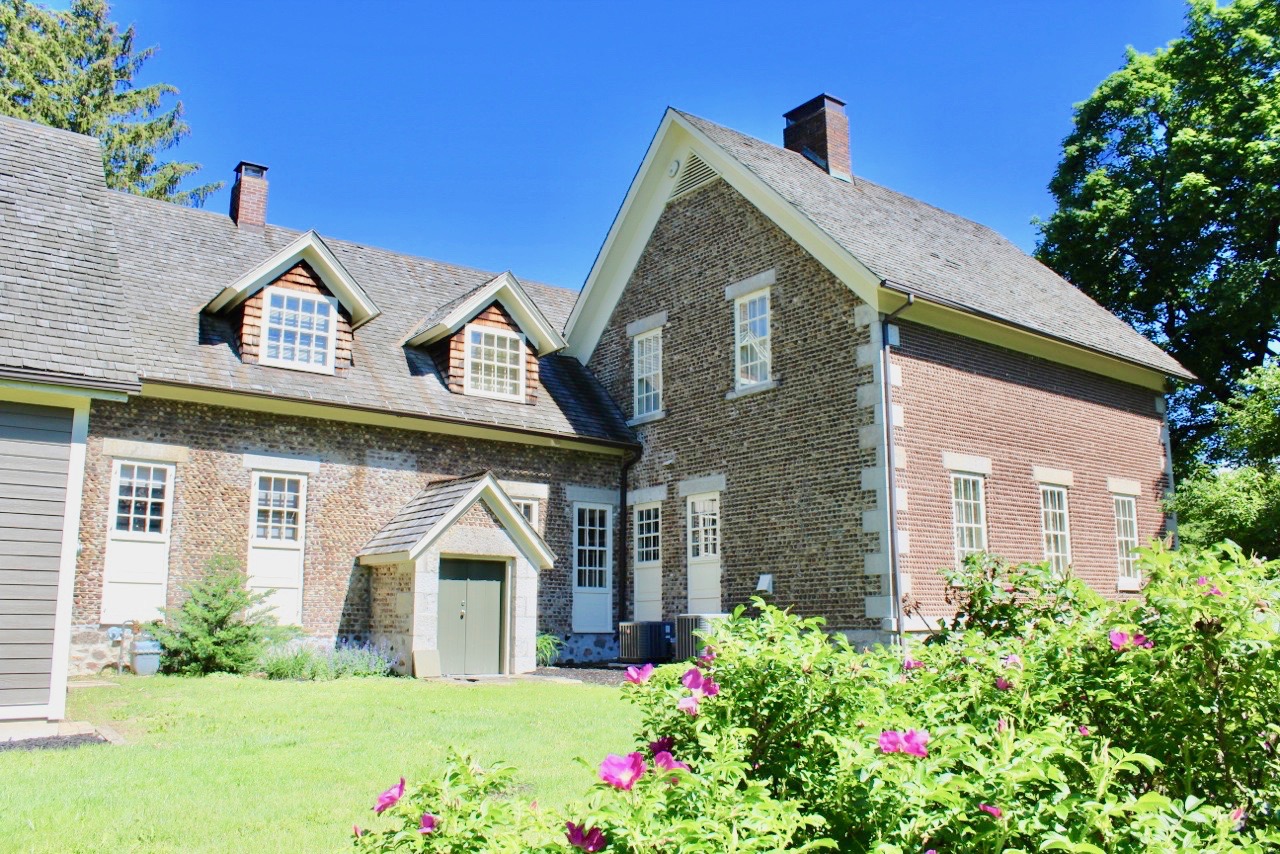 IMG_1007.jpg 4 | |
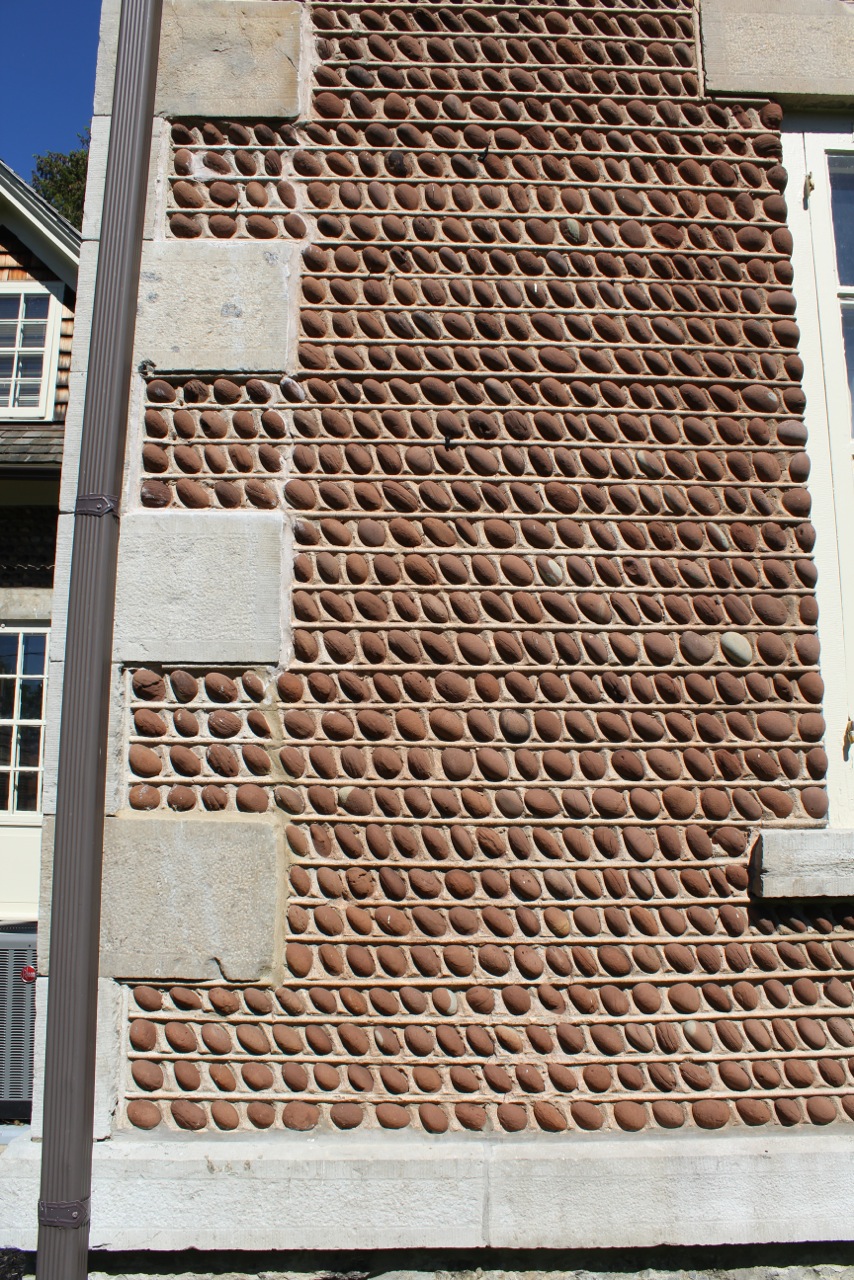 IMG_1010.jpg 4 | Detail of the artistic craftsmanship in the use of Lake Ontario-washed Medina sandstone cobblestones. All stones exactly alike? It might seem that way but take a closer look at the variances from the cobbles above and below it. Even whole rows tend to have differences with other rows. Some have more rounds and other more disc-ovals. There is much minor variation. Here and there is even an anomaly, such as the last two cobbles in the row just beneath the lintel at the top left corner of the window. It was much patient work. Forms make it much easier and the joint work is at least as much trouble, but its more routine than what might be supposed. Paul Briggs of Ithaca, who restores cobblestone houses, said the stones all appearing to be all the same on some houses is an optical illusion. He said the stones actually vary widely in their interior depth which you can't see, and thickness (take a careful look). Plus some have to be angled to be the correct height, while others have to be near vertical to do it. Some appear as "eggs" while others appear as "wafers." Richard Palmer blog.
| ||
¹ Image courtesy Cobblestone Museum.
² Photography courtesy Gerda Peterich. Cobblestone Museum.
³ Photography courtesy Martin and Sheila Wolfish.
4 Photography courtesy Richard Palmer.
